10 Tallest Buildings in the World in 2026
Crane your neck at the foot of such a tower — and your neck will ache long before you see the top. Here concrete was poured at night with ice. The elevators race so fast your ears pop. And one tower stood almost empty after opening.
We’ve compiled a ranking of the tallest buildings as of October 2026. We measure by architectural height: spires count, antennas do not. That’s how the Council on Vertical Urbanism (CVU, formerly CTBUH) calculates it. Two towers share the same 530 m and split the place. Where sources diverge — I report it as is.
10 tallest structures in the world (from lowest to highest)
10. CITIC Tower (China Zun) — 527.7 m
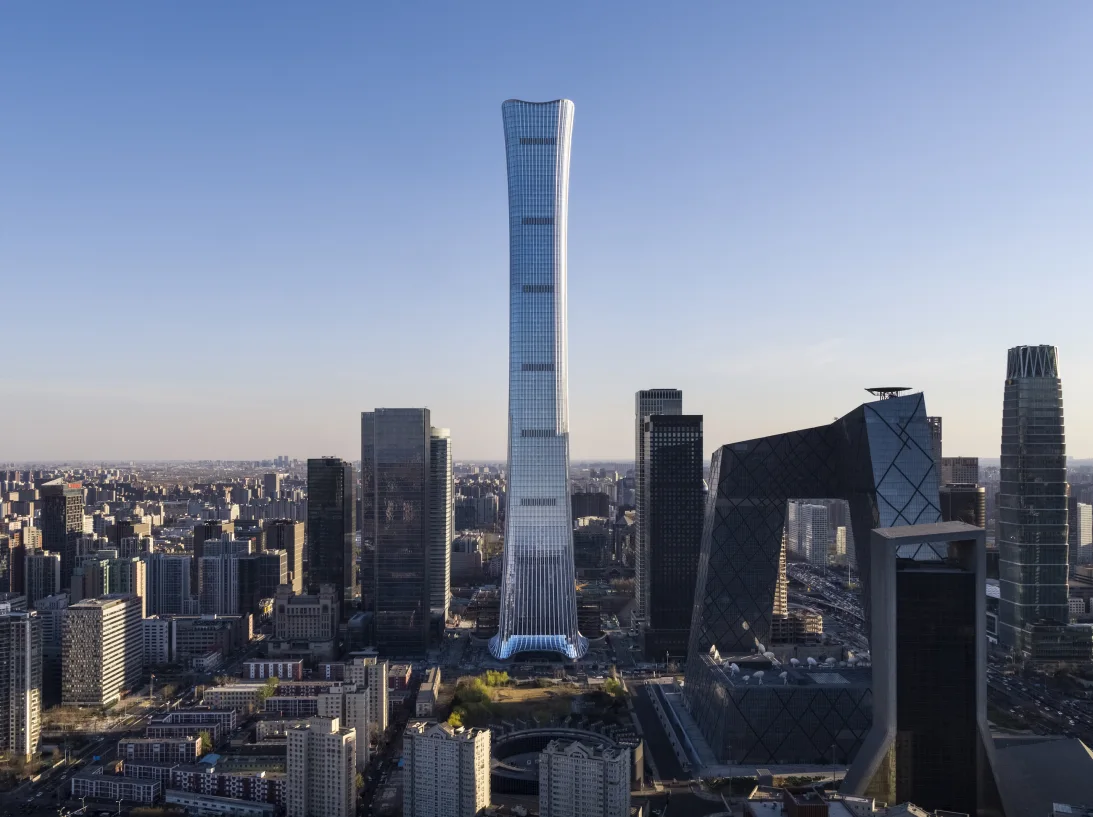
Opening our top-10 is the tallest tower in Beijing. Its shape recalls an ancient ritual vessel — a zun bowl.
- Client: CITIC Group structures.
- Design: concept proposed by TFP Farrells, final design — KPF, general designer — BIAD, structural engineer — Arup.
- Contractor: China Construction Third Engineering Bureau.
- Timeline: from 2012 (CTBUH writes 2013), completed in September 2018.
Floors are either 108 or 109 — sources disagree. Main tenants: CITIC Group, CITIC Bank and Alibaba. Designed for the highest seismic hazard in the region. In 2016 it surpassed China World Trade Center III and became the tallest in Beijing.
9. Tianjin CTF Finance Centre — 530 m
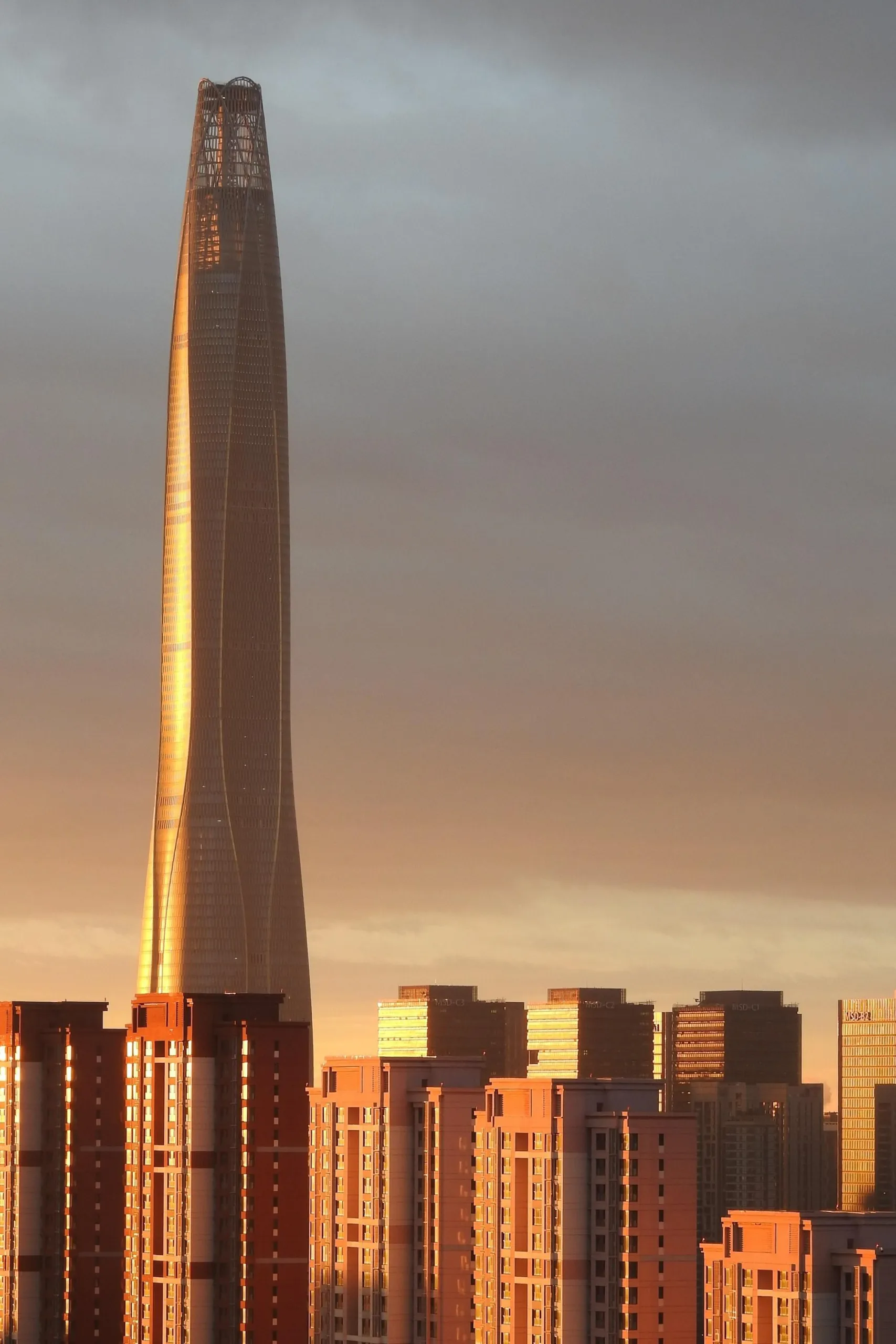
The ranking of tall buildings gains an object whose height is exactly the same as its Guangzhou “sister,” but with a different architect and an entirely different character.
- Client: New World Development / Chow Tai Fook, Tianjin.
- Design: SOM together with Ronald Lu & Partners.
- Timeline: groundbreaking 20 November 2009, construction from 3 January 2013, completion 22 September 2019.
- Technical: 97 floors, 81 elevators.
The world’s tallest building with fewer than 100 floors. Inside — a Rosewood hotel with 350 rooms. At SOM they joked about a “skyscraper with hips” because of the smooth curves. The client, they say, was ready to take the risk.
8. Guangzhou CTF Finance Centre — 530 m
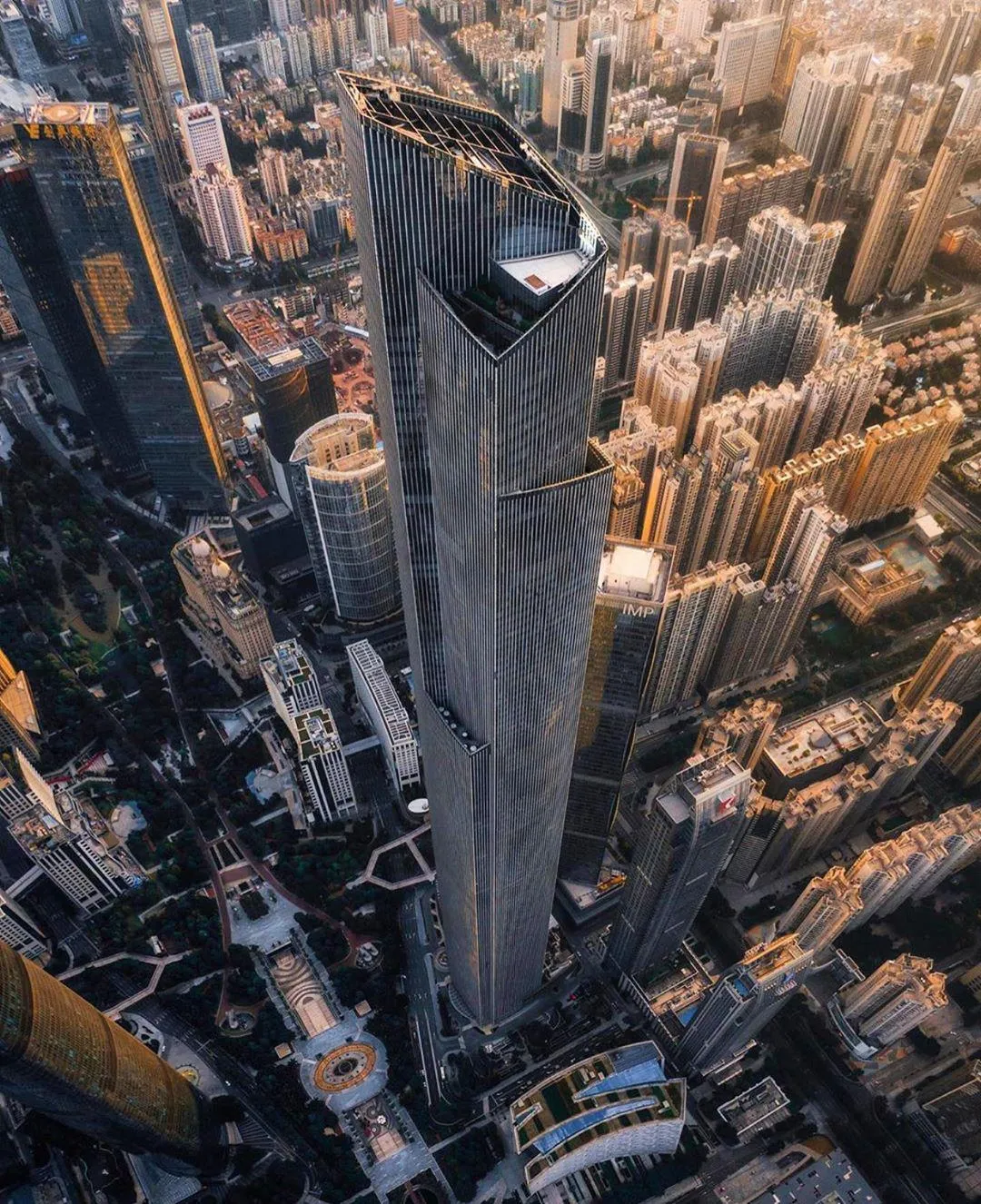
Locals call it the “Eastern Tower.” The elevators there are faster than anything you’ve ever ridden.
- Client: New World Development (Chow Tai Fook), Guangzhou.
- Design: KPF; structural engineer — Arup.
- Contractor: China State Construction Engineering.
- Timeline and cost: from 29 July 2010, opening in October 2016; about 10 billion yuan.
Hitachi supplied elevators with speeds up to 21 m/s — faster than in Shanghai Tower. They reach the 95th floor in less than 40 seconds. At first they wanted it similar to the neighbouring Guangzhou IFC, but the developer decided to go higher and with a different form. In 2016 it became the tallest completed building of the year.
7. One World Trade Center — 541.3 m
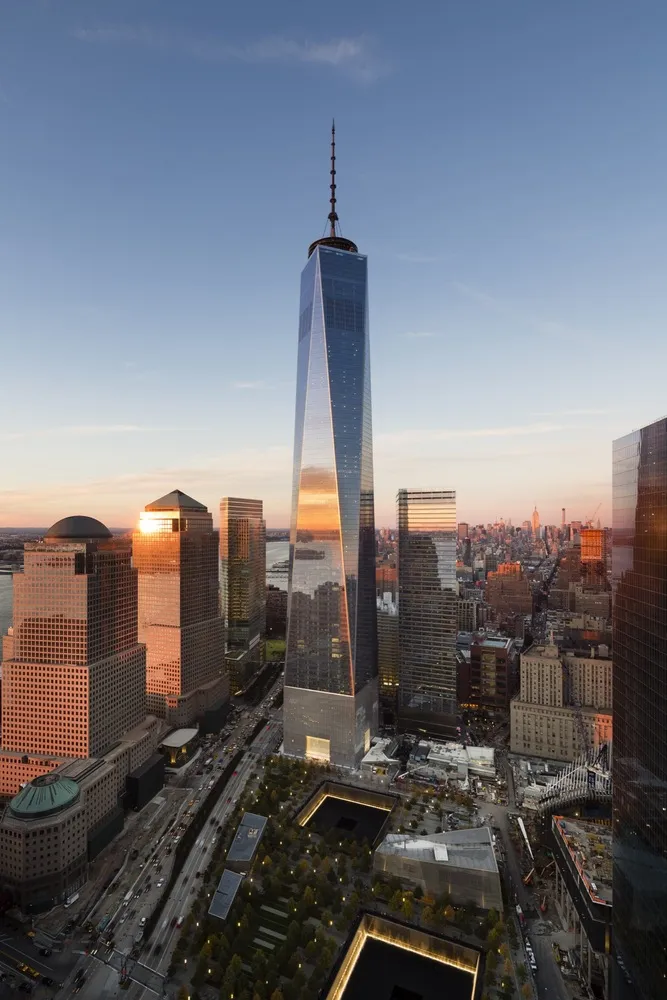
1,776 feet is no accidental number. The year the U.S. Declaration of Independence was signed.
- Client: Port Authority of New York and New Jersey.
- Design: David Childs, SOM.
- Contractor: Tishman Construction.
- Timeline and cost: from 27 April 2006, spire installed 10 May 2013, opening 3 November 2014; about $3.9 billion.
It stands on the site of the destroyed Twin Towers. Roof height — 417 m, the same as the former North Tower. The rest up to the symbolic mark is added by the spire, and counting it caused controversy. Childs, they say, sketched the first idea on a napkin during lunch with his son.
6. Lotte World Tower — 554.5 m
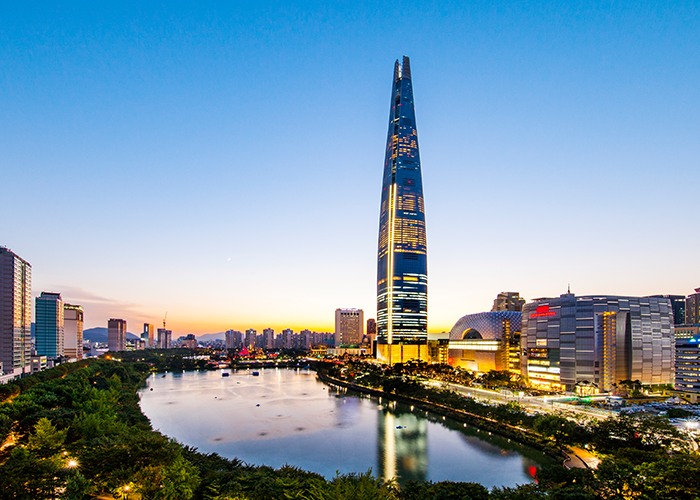
Korea’s answer to the giants. The dream of Lotte Group founder Shin Kyuk-ho.
- Client and developer: Lotte Group; built by subsidiary Lotte Engineering & Construction.
- Design: KPF; structural engineer — Leslie E. Robertson Associates.
- Timeline: from 2010–2011 to December 2016 (2,234 days), opening 3 April 2017.
- Cost: from $2.5 to $3.4 billion — depends on the source.
The 6.5 m thick foundation slab was poured for 30 hours — it took 5,300 concrete mixers. The glass floor of the Seoul Sky observation deck at 478 m is also in the Guinness World Records. The design, according to SkyscraperPage, was changed 24 times. The form was inspired by Korean ceramics and calligraphy.
5. Ping An Finance Center — 599.1 m
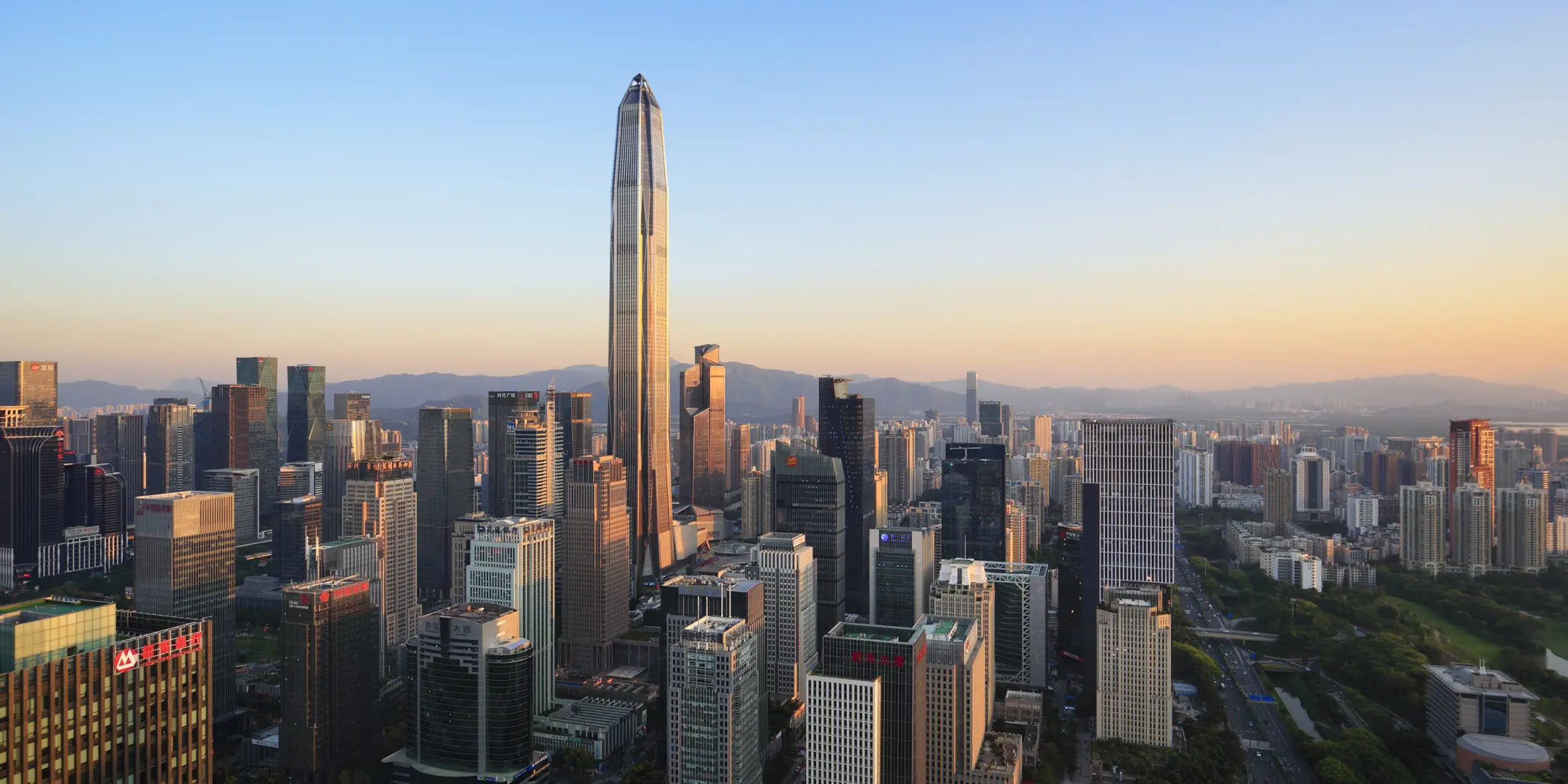
The world’s tallest structure occupied almost entirely by offices.
- Client: insurance group Ping An (Shenzhen, China).
- Design: KPF; structural engineer — Thornton Tomasetti.
- Contractor: China Construction First Building Group.
- Timeline: 18 January 2010 — 28 March 2017.
- Technical: 115 floors, 33 double-deck elevators up to 10 m/s.
In July 2014 it reached 443.8 m and overtook KK100, becoming the tallest in Shenzhen. The façade was selected for the salty seaside air so the appearance would not change for decades. At the very top — an observation deck with the highest view in the city.
4. Makkah Royal Clock Tower — 601 m
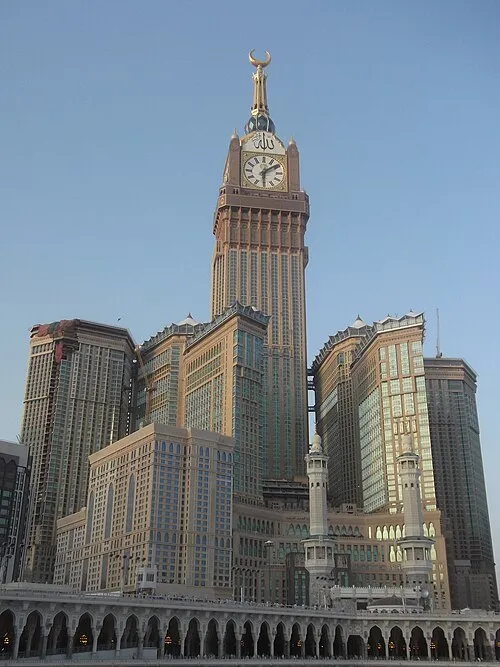
The largest clock on the planet hangs over Mecca, next to the Grand Mosque.
- Client: Government of Saudi Arabia (Abraj Al-Bait complex, King Abdulaziz Endowment fund).
- Contractor: Saudi Binladin Group.
- Design: hotel portion by Dar Al-Handasah, clock tower — German SL Rasch.
- Timeline: 2004–2012. According to Britannica, the entire complex cost about $3 billion.
Dial diameter — 43 m, a Guinness record. The clock is visible from roughly 25 km, illuminated by about 2 million LEDs. The seven-tower complex was conceived as the building with the largest floor area in the world. This tower is the tallest in Saudi Arabia, but only until Jeddah Tower is completed.
3. Shanghai Tower — 632 m
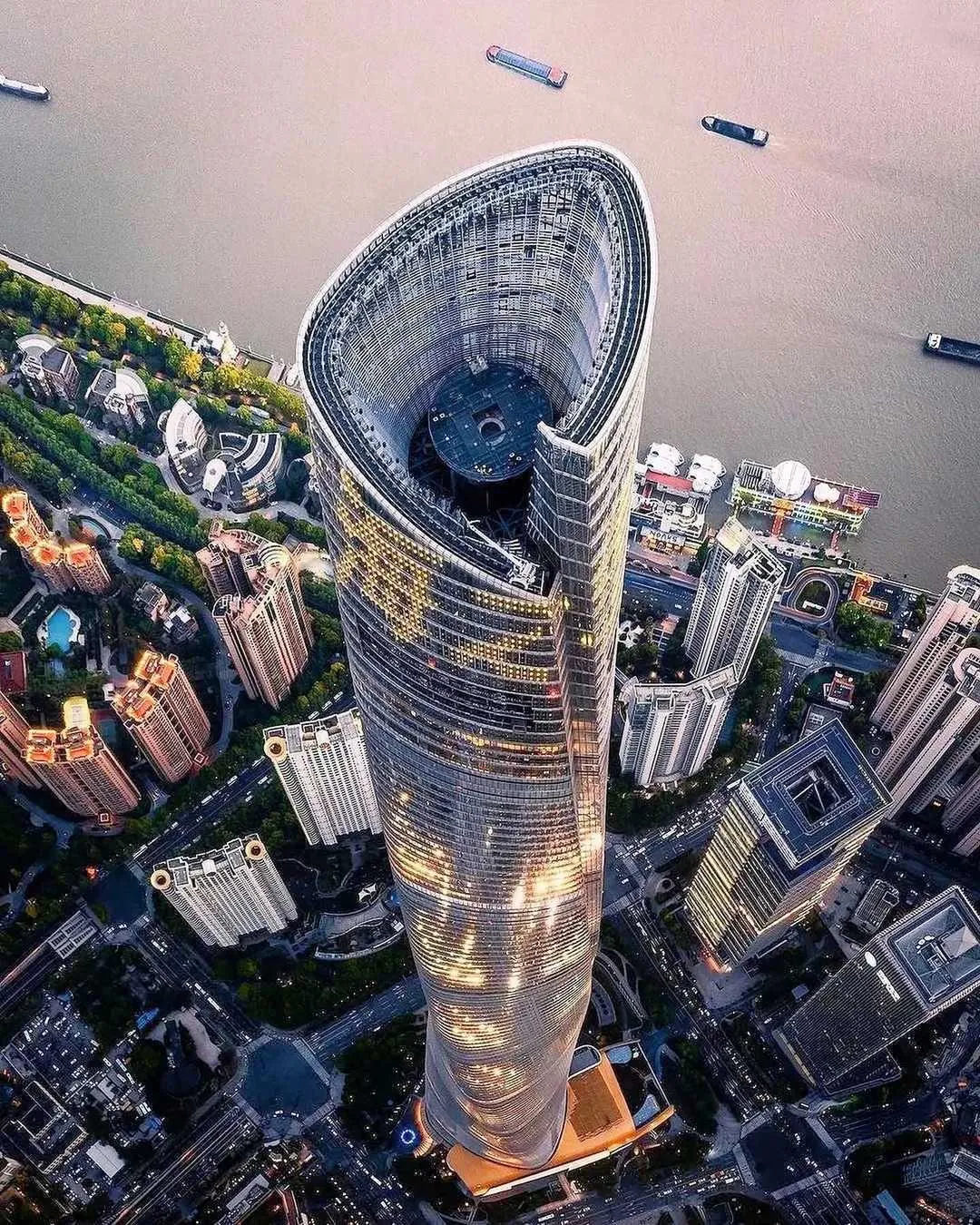
The TOP-3 of the world’s tallest buildings is joined by a tower that twists into the sky by 120 degrees. It is the world’s tallest twisted building.
- Client: Shanghai Tower Construction and Development. Consortium of Shanghai Chengtou, Lujiazui Finance and Trade Zone Development and Shanghai Construction Group, created in December 2007.
- Design: Gensler (lead — Jun Xia), engineers Thornton Tomasetti.
- Contractor: Shanghai Construction Group, simultaneously co-owner of the tower.
- Timeline and cost: groundbreaking 29 November 2008, opening 2015; about $2.4 billion.
The competition lasted 21 months: 10 firms submitted 19 concepts. The twist was born from aerodynamic testing and was meant to reduce wind loads during typhoons by up to 24%. Elevators accelerate to 20.5 m/s. In 2016 the tower won CTBUH’s top award as the world’s best tall building.
2. Merdeka 118 — 678.9 m
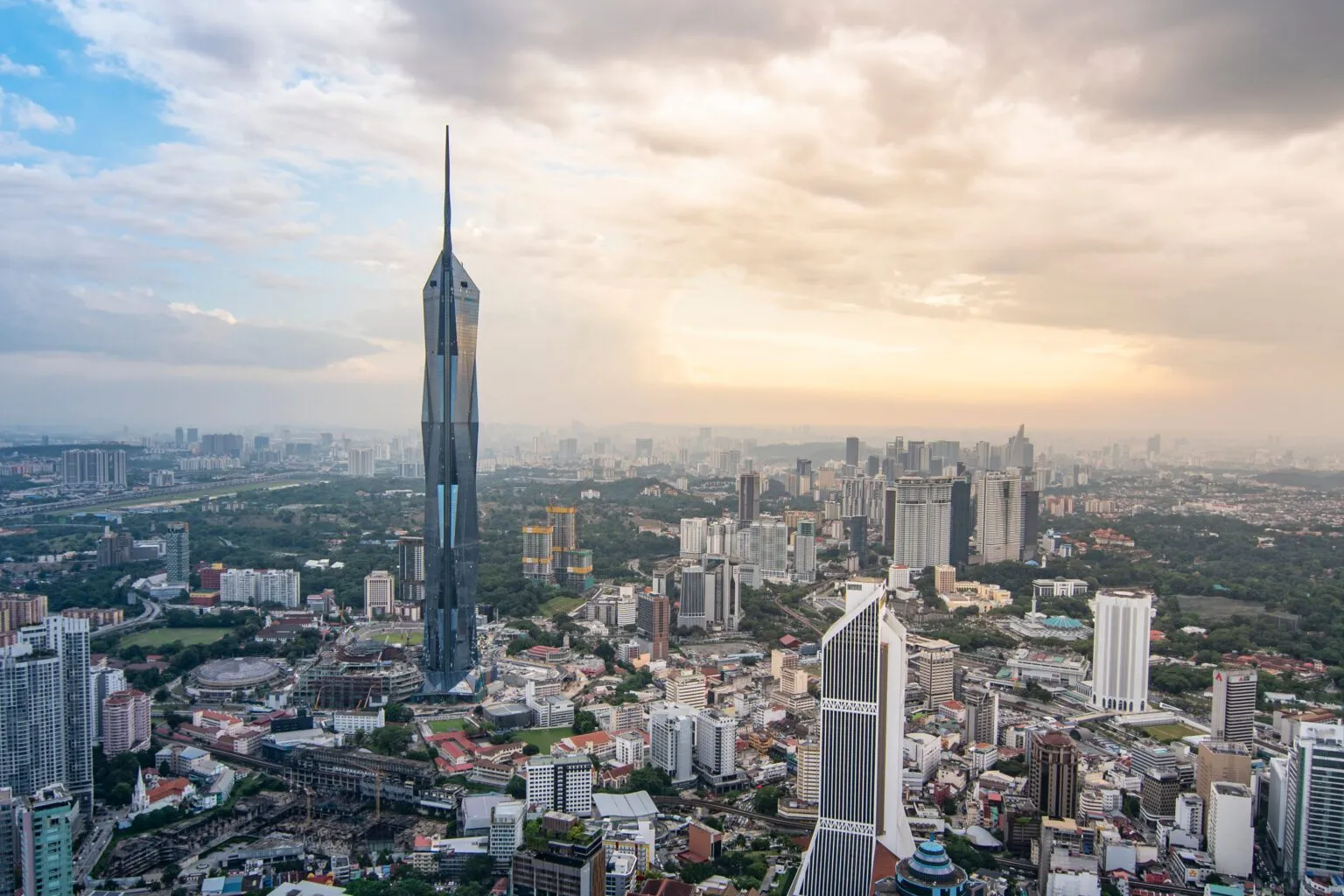
Second place is held by the tallest tower in Southeast Asia. The building stands, but life inside is picking up slowly.
- Client: PNB Merdeka Ventures, a subsidiary of the Malaysian fund Permodalan Nasional Berhad.
- Design: Australian Fender Katsalidis together with RSP Architects.
- Timeline: work began in 2014, the top was installed at the end of 2021. It is considered completed in 2023–2024 — depends on the source.
- Technical: 118 floors, 89 elevators, spire 160.4 m.
Merdeka means “independence.” The tower stands next to the stadium where Malaysia’s independence was proclaimed in 1957. The triangular glass facets of the façade are stylised after Malaysian patterns. The Park Hyatt hotel opened on 7 August 2025, but as of 1 July 2026 the rest of the project is substantially behind, with most zones closed. The same Fender Katsalidis built Melbourne’s two tallest towers.
1. Burj Khalifa — 828 m
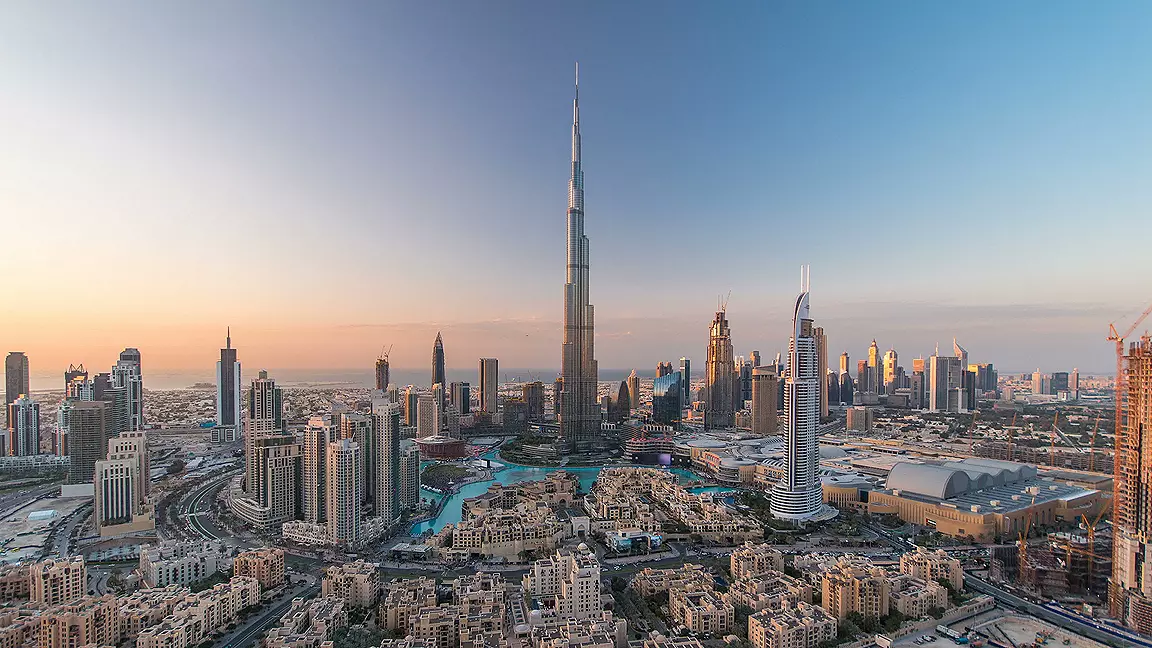
The royal record-holder, and for now the tallest tower in the world. 163 floors and a lead over second place of almost 150 metres.
- Client: Emaar Properties, Dubai (UAE).
- Design: SOM. Lead architect — Adrian Smith, lead structural engineer — Bill Baker.
- Contractor: Samsung C&T together with BESIX and Arabtec.
- Timeline and cost: January 2004 — opening 4 January 2010; about $1.5 billion.
- Technical: 192 piles 43 m long, 330,000 m³ of concrete, 57 elevators.
In summer concrete was not poured during the day. It was prepared with ice and delivered at night so it would not set too quickly and crack. Smith spotted the form from the window of the Chicago office while looking at Lake Point Tower:
«There’s the prototype»
The name was changed right at the opening. It was Burj Dubai, but during the 2008–2009 crisis Dubai was helped by Abu Dhabi. It was named after UAE President Khalifa bin Zayed. Ten months later rents had fallen 40%, and 825 of the 900 apartments stood empty.
Which building is the tallest in the world in 2026
The answer is simple: Burj Khalifa, 828 m. It has held the title since 2009–2010. And here is how the record-holders changed:
- the Great Pyramid of Giza — the world’s tallest structure for over 3,800 years;
- Lincoln Cathedral — 1311;
- Strasbourg Cathedral (1439) — until 1874;
- Home Insurance Building in Chicago (1885, 42.1 m) — the first skyscraper;
- the USA held the title until 1998, then Petronas Towers, Taipei 101 (2004) and Burj Khalifa.
In 1930 two New York skyscrapers fought for the title. The Chrysler Building secretly assembled a 38-metre spire inside and leapt to 319 m. The competitors at 40 Wall Street replied in the newspaper: their floor is higher! That is how the dispute over “true” height was born. In 1996, because of Petronas and the Sears Tower, it was settled by the rule: spires count, antennas do not.
And one more interesting figure. Even by highest occupied floor Burj Khalifa is first: 585.4 m versus 583.4 m for Shanghai Tower. A difference of two metres.
Awards also diverged. Burj Khalifa in 2010 was named the best tall building of the region (Middle East & Africa). Shanghai Tower took the overall CTBUH victory in 2016. Lotte World Tower received the Award of Excellence in 2019. Merdeka 118 was recognised as the best tall building over 300 m in 2025.
And what next? Jeddah Tower in Saudi Arabia is designed for more than 1,000 m. As of early October 2026 it has reached 116 floors and approximately 466 m, with completion planned for the end of 2028. The Burj Khalifa record is not eternal.
How long it took to build the world’s tallest structure
Burj Khalifa was built in about six years. Key dates:
- January 2004 — earthworks began;
- 17 January 2009 — reached 829.8 m;
- 1 October 2009 — exterior complete;
- 4 January 2010 — official opening;
- 23 January 2011 — the last major facility opened, the tower became fully operational.
Peak activity came in 2008: about 7,500 skilled workers were on site. In total it took 22 million man-hours. This figure has a dark side: according to reports by Human Rights Watch and the BBC, workers lived in terrible conditions and received meagre pay. In 2006 about 2,500 people rioted over delayed buses.
For comparison, other towers in the ranking:
- Shanghai Tower — 2008–2015;
- Makkah Royal Clock Tower — 2004–2012;
- One World Trade Center — 2006–2014;
- Lotte World Tower — 2,234 days;
- Ping An — over seven years;
- Tianjin CTF — 2013–2019.
Jeddah Tower is a separate story. Construction began in 2013 and stopped in 2018 at roughly one-third of the height. In October 2024 Jeddah Economic Company signed a 7.2 billion riyal contract with Saudi Binladin Group, and work resumed on the 63rd floor. Since then the pace has been roughly one floor every 4–5 days.